
1,350 daysacross the five years immediately before you apply
CITIZENSHIP
The last step, becoming a New Zealander
Permanent Residence gives you the right to live here for good. Citizenship makes you "one of us." It's the final step in a journey that often began years earlier with a single work visa, and for many people, it's the most meaningful one.
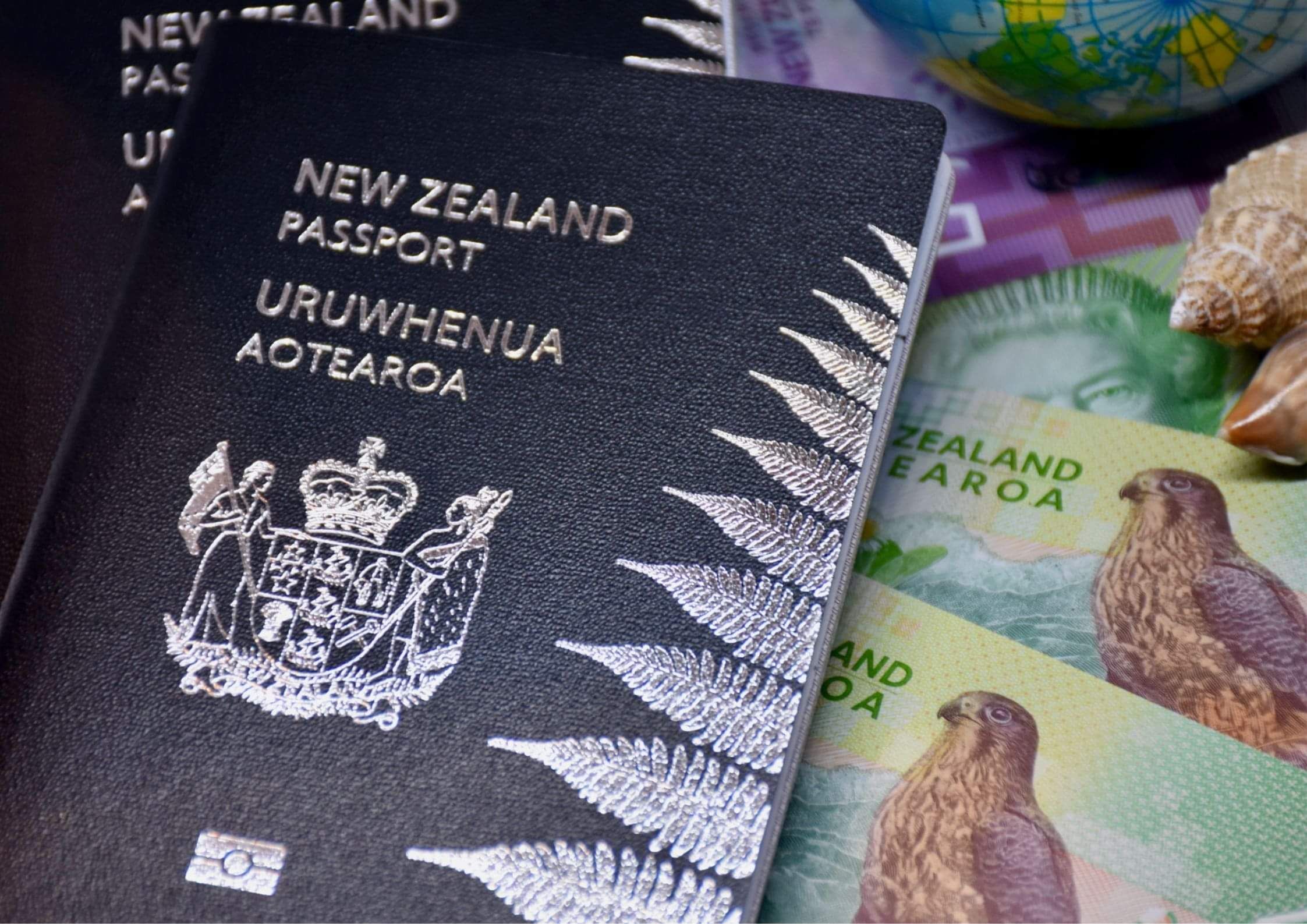
Becoming a citizen gives you a New Zealand passport, the right to vote, and the security of a status that can never expire or be taken away by a change of policy. For families, it means your children grow up as New Zealanders with every door here open to them.
Citizenship applications are handled by the Department of Internal Affairs, not Immigration New Zealand, but we can still assist and represent you. Citizenship has its own rules, its own timing, and a few traps that catch people out, particularly around how much time you've actually spent in New Zealand.
Residence and citizenship are not the same thing
This trips people up more than almost anything else, so it's worth being clear.
Being a resident means you can live, work, and stay in New Zealand indefinitely. Being a citizen means you're a New Zealander, with a passport, the vote, and a status that doesn't depend on meeting conditions or keeping a visa alive. Residence can, in rare circumstances, be lost. Citizenship, once granted, is yours. You can also pass on your New Zealand Citizenship by Grant to your children, whether they're born in New Zealand or overseas.
You generally need to hold residence for a qualifying period, and be present in New Zealand for enough of that time, before you can apply to become a citizen. Getting to residence is the hard part, citizenship is the reward for having stayed and settled.

Citizenship is a multi-part process
The citizenship application is made online with supporting documents and evidence. Once DIA processes it, they'll send you an invitation to a citizenship ceremony where you'll swear an oath or make an affirmation of allegiance. Citizenship ceremonies are held regularly around the country, and there may be a wait of some months before you get a place.
Even if your application has been approved, you won't become a citizen until the ceremony. You'll receive your citizenship certificate at the ceremony, and you can apply for your New Zealand passport once you receive it.
The part people get wrong: time actually spent here
Citizenship by grant isn't simply about how long you've held residence. It's about how much time you've physically been in New Zealand as a resident.

This is where people come unstuck. If your work has taken you overseas, if you spent long stretches back in your home country, or if you gained residence but then lived abroad for a while, you may have held residence for years and still not yet meet the presence requirement. Two people who became residents on the same day can be eligible for citizenship years apart, purely because of how much time each has actually spent in the country.
We'll help you work out exactly where you stand, calculating your dates properly, identifying the earliest date you can apply, and flagging early if travel plans might push that date back.
The other things you need to show
Alongside the time requirement, a grant of citizenship asks you to show that New Zealand is genuinely your home and that you intend to keep living here. In practice that means:
That you meet the residence-period and presence requirements, the day-count above
That you are of good character, this has stricter requirements than visa applications do
That you have sufficient knowledge of English
That you understand the responsibilities and privileges of citizenship
That you intend to continue living in New Zealand, or to maintain a close and continuing link with it, this causes particular issues if you intend to travel or live outside New Zealand during or after your application


When citizenship is straightforward, and when it isn't
You should particularly consider professional help if any of these apply to you:
You've spent significant time overseas since gaining residence, and you're not sure whether you yet meet the presence requirement
You're weighing up dual citizenship and want to understand what taking New Zealand citizenship means for the citizenship you already hold
There's something in your history that could raise a good-character question, it's far better to address it properly in the application than to have it surface later
You're applying for children and want to be sure each child is included on the right basis, some children born to residents or overseas may have a different route
Your residence itself was complex or came through an unusual pathway, and you want the citizenship application to line up cleanly with it
A word on dual citizenship
New Zealand allows dual (and multiple) citizenship, becoming a New Zealander does not, on New Zealand's side, require you to give up the citizenship you already hold.
But your other country may see it differently. Some countries don't permit dual citizenship and may treat you as having given up your original citizenship the moment you take on New Zealand's. This is a question for that country's authorities, not ours, but it's one to answer before you apply rather than after, and we'll make sure you know to ask it.
Born to a New Zealander? You may already be a citizen
Not everyone becomes a citizen by grant. If you were born overseas to a New Zealand citizen parent, you may be a New Zealand citizen by descent, which is a registration process rather than an application to be granted citizenship, and works quite differently.
It also confers different rights in terms of passing on citizenship to the next generation, and we've seen some families in difficult situations where some children qualified to live in New Zealand and others didn't due to this.
If that might be your situation, or your children's, tell us and we'll help you find the best solution. In some cases this may include "upgrading" citizenship by descent with a citizenship by grant application.
What we'll do for you
So this final step goes as smoothly as it should
Your days, calculated properly
We'll confirm the earliest date you can apply, so you're not guessing.
Complications handled early
Time overseas, a character question, dual citizenship, or children to include, sorted before it's a problem.
A complete application, first time
Convincing and correct before it's lodged, so this final step goes smoothly.
CITIZENSHIP
Frequently asked questions
How long after getting residence can I apply for citizenship?
You need to have held residence for a qualifying period and, just as importantly, have been physically present in New Zealand for enough of that time, including in the final year before you apply. Time spent overseas can push your eligibility date out, so the honest answer is "it depends on your days." If we're assisting with your citizenship application, we can get your travel movements from Immigration New Zealand to confirm a definite date.
What's the difference between residence and citizenship?
Residence lets you live and stay in New Zealand indefinitely. Citizenship makes you a New Zealander, with a passport, the right to vote, and a status that cannot expire. Citizenship is usually the step you take after holding residence for long enough and spending enough time here.
Can I keep my current citizenship?
On New Zealand's side, yes, New Zealand allows dual and multiple citizenship. Whether your other country lets you keep its citizenship is a question for that country's authorities, and some do not permit it. It's worth checking before you apply, and we'll make sure you know to ask.
Do my children automatically become citizens when I do?
No, it requires an application per person. Children may apply alongside a parent's application, but the basis differs depending on where and when each child was born and their own residence status. Some children may already be citizens by descent. We'll make sure each child applies on the correct footing so no one is left out.
I'm separated or divorced from my children's other parent. Does that matter?
Yes, we'll advise you on the custody or other documents that need to be submitted with your application. You should plan on extra time for this.
I was born overseas but one of my parents is a New Zealander, am I already a citizen?
You may be a New Zealand citizen by descent, which is a registration process rather than a grant. Whether it applies, and whether it passes on to your own children born overseas, depends on the detail. Tell us the family history and we'll help you confirm it rather than assume.
Do I need a lawyer or adviser for this?
You can apply without one. Where it's worth getting help is when there's a complication: significant time overseas, a good-character question, a dual-citizenship concern, you come from a country that will require extra identity verification, you're too busy or not confident with this type of application, or you need to make sure your children's applications run correctly. That's exactly the kind of case we handle.
Can I apply early?
There are some circumstances where you can apply before the normal five year wait or request expedited processing, for example if you'll be representing New Zealand as an international sporting representative. We can assist with these applications too.
Still have questions?










Ready for the last step? Let's make sure the timing is right.
Tell us when you became a resident and where you've been since, and we'll calculate your days, confirm the earliest date you can apply, and highlight any issues.

CONTACT
Neazor Brady & Partners Limited
Level 1, Panama Suites, 18 London Street, Hamilton 3204
0800 399 294 · 07 839 6666
info@neazorbrady.co.nz
For HR consulting and outsourced HR support, visit Pivotal People →
LICENSED ADVISORS
Catherine Neazor Brady
200900436
Connor Brady
201000334
Vanak Kit
201900947
Karen Baigent
202200812